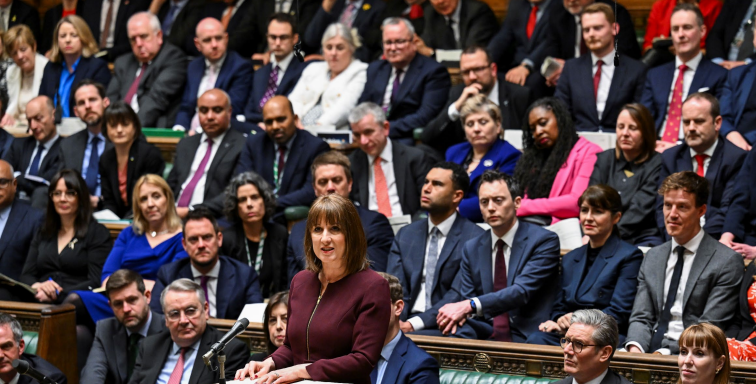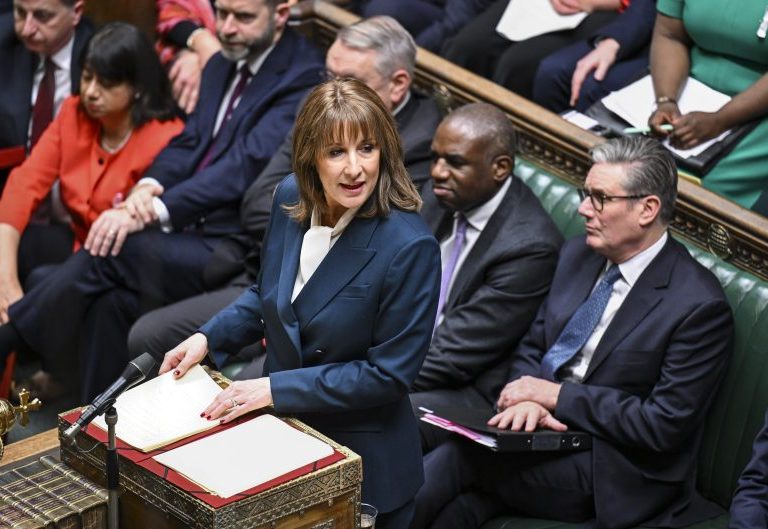
The Chancellor, John Healey, delivered his first Budget on 28 October 2026. The headline rates of income tax, National Insurance, VAT and corporation tax are unchanged. Instead, the tax rises fall on income from savings and property, on larger business disposals, and on banks and gambling. Alongside these comes a significant programme of payroll, VAT and HMRC reform that will affect most businesses over the next three years.
Most of the changes take effect from April 2027, which gives a valuable window to plan. Below is a summary of the key measures.
What did not change
- Income tax rates on earnings, the £12,570 personal allowance and the higher and additional rate thresholds, which remain frozen until April 2031;
- National Insurance rates, with most thresholds frozen to 2030/31;
- Dividend tax rates of 10.75%, 35.75% and 39.35%;
- Capital gains tax main rates of 18% and 24%;
- Corporation tax at 25% (main rate) and 19% (small profits rate); and
- The VAT standard rate and registration threshold.
Higher tax on savings and property income
From 6 April 2027, income from savings and property will be taxed at 24%, 44% and 49%, four points above the rates on earned income. The personal savings allowance is unaffected, and interest earned inside an ISA remains tax-free.
The planned cut to the Cash ISA limit has been abandoned, so the allowance stays at £20,000 for all adults. A new First Time Buyer ISA will replace the Lifetime ISA for new savers from April 2029.
Landlords should model their 2027/28 position now. With dividend rates unchanged, holding property through a company may compare more favourably than before, although the stamp duty and capital gains tax costs of transferring property need careful review.
Business owners: Business Asset Disposal Relief halved
The lifetime limit for Business Asset Disposal Relief falls from £1 million to £500,000 for disposals on or after 6 April 2027. The 18% rate is unchanged, but the maximum lifetime saving falls from £60,000 to £30,000. Transitional rules apply to some contracts and reorganisations that are not completed by that date.
A new Founders’ Relief will also be introduced for founders and early investors in high-growth companies. HMRC’s consultation on the qualifying conditions closes on 30 November 2026, and we expect the relief to be closely targeted.
If you are considering a sale, management buy-out or retirement in the next 18 months, and your gain may exceed £500,000, please speak to us now.
Capital allowances and business rates
- The main-rate first-year allowance rises from 40% to 50% for expenditure on or after 1 January 2027;
- The main-rate writing-down allowance falls from 14% to 12% from April 2027;
- The Annual Investment Allowance stays at £1 million; and
- In England, 100% small business rate relief for retail, hospitality and leisure will apply up to a rateable value of £18,000 (up from £12,000) from April 2027.
Employers: benefits in kind move into payroll
P11Ds are being phased out. Company cars, vans, fuel and private medical benefits must be payrolled from 6 April 2027, and all other benefits from 6 April 2028. Employers should check that their payroll software is ready and collect accurate company car data before the 2027/28 tax year.
The approved mileage rate for business miles above 10,000 a year rises from 25p to 35p from 6 April 2027.
Inheritance tax and pensions
There was no major new inheritance tax measure, but the nil-rate bands remain frozen until April 2031, and unused pension funds will be included in estates for deaths on or after 6 April 2027. Personal representatives will be able to direct pension schemes to pay the inheritance tax due on pension funds directly to HMRC. New rules restricting deductions for liabilities in trusts take effect immediately.
Now is a good time to review pension nominations, wills and gifting plans.
VAT and HMRC administration
- From October 2027, online marketplaces will collect VAT on sales made by UK sellers who are VAT-registered or sell £90,000 or more on that platform;
- Making Tax Digital for Income Tax begins on 6 April 2027 for sole traders and landlords with qualifying income above £30,000;
- The trading allowance trebles from £1,000 to £3,000 from April 2027; and
- From April 2029, VAT e-invoicing becomes mandatory, a Direct Debit will be required for VAT and PAYE, and Self Assessment payments on account will be collected more regularly through the year.
Talk to us
Every client’s position is different. If any part of this Budget affects you, your business or your family, please contact your usual BC&A adviser or call our Portsmouth office on 02392 833300. We can help you work out what the changes mean for you and what, if anything, to do before they take effect.
This article is a general summary of the Autumn Budget 2026 announcements as published on 28 October 2026. Many measures are subject to consultation and parliamentary approval and may change. It is not advice, so please speak to us before acting.