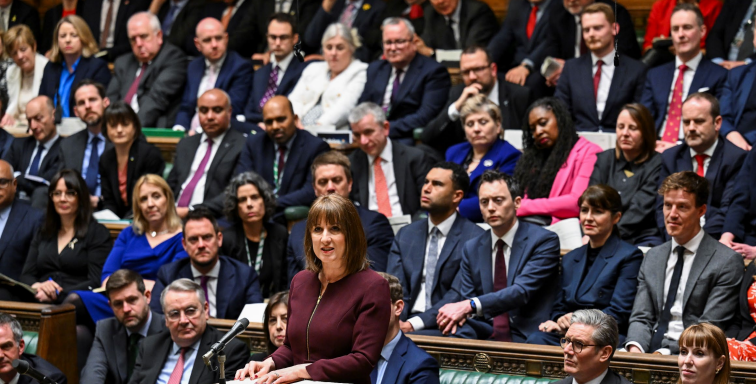
The UK Government has just announced its 2025 Autumn Budget, outlining how its policies will impact the economy and households across the country. By staying informed about what’s new and what remains the same, you can make well-informed decisions about your financial future.
We’ve broken down the key points below, so you can focus on what matters most to you.
Seeking Professional Advice
Tax treatment depends on individual circumstances and may change in the future. If you’re unsure about how any Budget changes may affect you personally, you may wish to seek advice from a qualified financial adviser or tax professional.
ISA Allowances and Tax
Tax rules and allowances are subject to change, and the value of any tax benefits will depend on individual circumstances.
ISA Allowances
What’s Changing?
The Government has announced that the annual Cash ISA allowance for individuals under the age of 65 will reduce to £12,000 from April 2027.
However, the overall ISA subscription allowance will remain at £20,000, with confirmation that this limit will stay in place until at least the 2030/31 tax year.
What Could This Mean for You?
- Individuals may wish to maximise current ISA allowances ahead of the changes taking effect in 2027.
- For long-term financial goals, some savers may also wish to review whether a Stocks & Shares ISA could offer greater growth potential compared to cash savings, particularly in light of the lower Cash ISA cap.
Income Tax
What’s Changing?
The freeze on income tax thresholds has been extended through to April 2031. In addition, property income tax will increase by 2% across all tax bands from April 2027.
What Could This Mean for You?
- Factor any threshold freezes into your future budgeting, as more of your income may become taxable.
- For landlords or property investors, re-evaluate rental yield and return assumptions under the new levy regime.
- Consider alternative investments other than Buy to Let.
Dividend Tax
What’s Changing?
Dividend tax rates are increasing: both the basic and higher-rate bands for dividend tax will see a 2% increase from April 2026: the new rates will be 10.75% (basic) and
35.75% (higher rate).
Additional rate remains unchanged. This makes dividend-income outside tax-efficient wrappers more costly.
What Could This Mean for You?
- Review how much of your dividend income sits outside tax-efficient accounts. Making sure to maximize your ISA allowances or alternative wrappers.
- As part of your longer-term investment planning, adjust return expectations to account for higher dividend tax drag.
- Self-employed or company directors may want to review how income is extracted from their business.
Stamp duty and property-related taxes
What’s Changing?
A new “high-value property surcharge” will apply to homes valued at £2 million or more, starting April 2028. This will rise to £7,500 per year for properties valued above £5 million. Standard stamp duty and property taxes remain in place.
What Could This Mean for You?
If you own – or plan to buy – a property over £2 million, factor in the potential future surcharge when doing cashflow and long-term wealth planning.
Pensions and salary sacrifice
What’s Changing?
From April 2029, salary-sacrifice pension contributions above £2,000 per year will no longer be exempt from National Insurance Contributions (NICs).
What Could This Mean for You?
- Review your overall pension planning strategy, taking into account the potential increase in the cost of funding your retirement.
- Salary sacrifice will remain useful, but above £2,000 it loses NI advantage post-2029.
- Recalculate long-term retirement savings projections under the new rules to evaluate whether contribution levels need adjusting.
Please note: The above is a summary of some of the changes, to see a complete list of the Budget changes, please visit the official Government website. If you’re unsure about how any Budget changes may affect you personally, you may wish to seek advice from a qualified financial adviser or tax professional.